
Telegram Impersonation: Spot The Fake Before The Room Pays
Learn how telegram impersonation works in groups, the red flags owners miss, and simple hygiene so fakes stop harvesting trust.
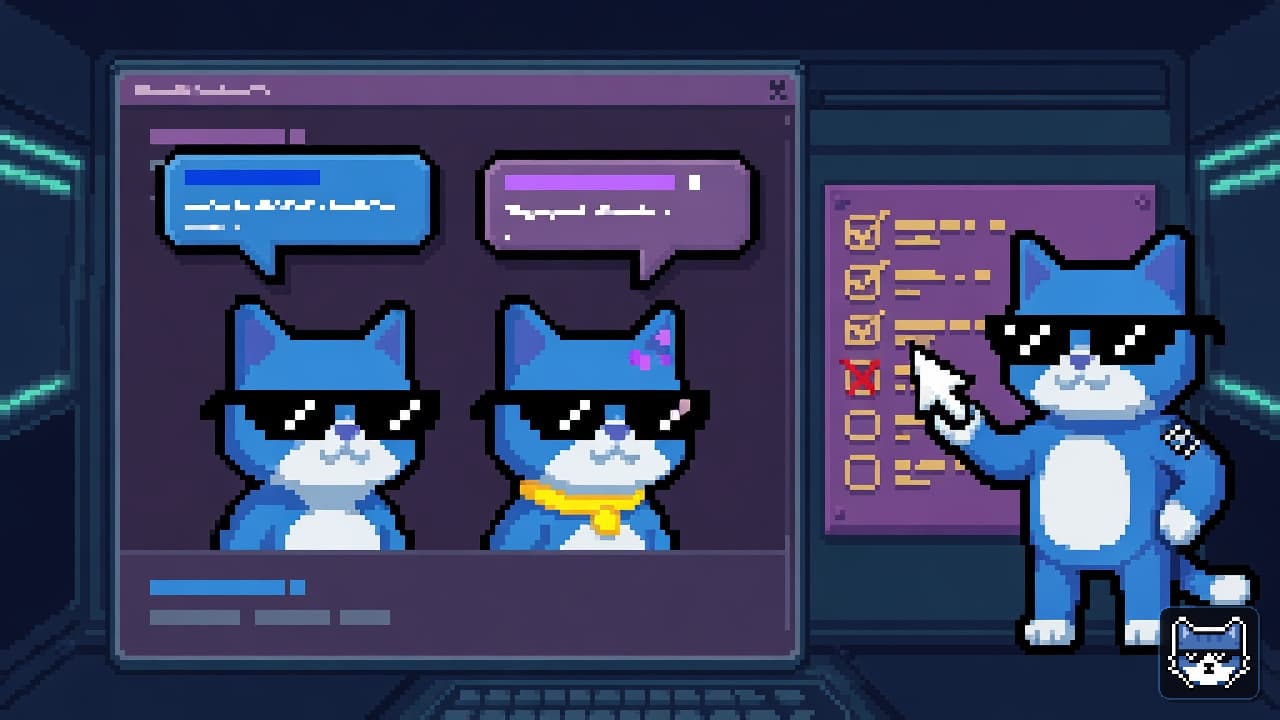
What Telegram Impersonation Actually Is
Telegram impersonation is when someone steals a name, photo, bio, or admin vibe to look like a real person you already trust. Support. Founder. Mod. That quiet whale who never posts. The fake does not need your seed phrase on day one. They need a reply, a DM open, and a room that shrugs when usernames look almost right.
This is not a rare edge case. It is the default attack surface in noisy crypto and trading chats. The bug is social, not technical. People answer urgency. Impostors sell urgency with a borrowed face.
Chatito Bot exists for rooms that want a useful member, not another spam bot. The same spine applies here: run the system, not the dopamine. Build process before the next lookalike drops a pin.
Why Telegram Makes Impersonation Easy
Usernames are scarce. Display names are free. Anyone can set a near-match handle, clone an avatar, and mirror a bio line. Premium badges and emoji status add costume, not proof. Forwarded screenshots travel faster than verification.
Group dynamics help the attacker. New members do not know who is real. Old members skim. Admins are offline. A fake support account posts in-thread: check your ticket, write me. The first person who DMs is the harvest.
Impersonation also rides on FOMO and fear. Wallet drained? Contract pause? Listing rumor? The room tilts, and the person who sounds calm in a cloned skin wins the click. Strategies over emotions is not a slogan here. It is how you keep the chat from becoming a phishing lobby.
Common Telegram Impersonation Patterns
Admin and mod clones. Same first name, one swapped letter in the username, admin title in another group, or a reply that pretends to escalate. They ask members to move to DM for KYC, whitelist, or airdrop forms.
Project and founder clones. Launch week and partnership week are peak season. The fake posts a temporary CA, a bridge link, or a claim portal. They pin nothing. They rely on speed and screenshots from elsewhere.
Support and bot theater. Helpful tone. Ticket numbers. Fake Mini App doors that ask for wallet connect on a lookalike domain. Real support does not chase you in random replies asking for seeds, cloud backups, or remote desktop.
Celebrity and influencer skins. Big follower energy, small verification discipline. The pitch is always private: early allocation, recovery help, collab deal. If the only proof is a display name, you already lost.
Member-on-member bait. A quiet account that built weeks of normal chat suddenly DMs about a private deal. Sometimes the account was compromised. Sometimes it was a long con. Either way, the room needs hygiene that does not depend on vibes.
Red Flags That Deserve A Hard Stop
- Username off by one character, underscore, or homoglyph while the display name is perfect.
- Pressure to leave the group chat and continue in DM for anything money-adjacent.
- Links that skip the project's known domain path and land on connect-wallet pages with no slow review.
- Admins who never confirm identity in a fixed, boring channel process.
- New accounts with admin-looking titles in side groups, then sudden authority in yours.
- Requests for seed phrases, export files, 2FA codes, or screen share to fix a problem.
- Countdown language. Last call. You have ten minutes. That is dopamine, not ops.
Mean to the bug, not the person. The member who almost clicked is not the enemy. The pattern is.
Owner Hygiene That Shrinks The Attack
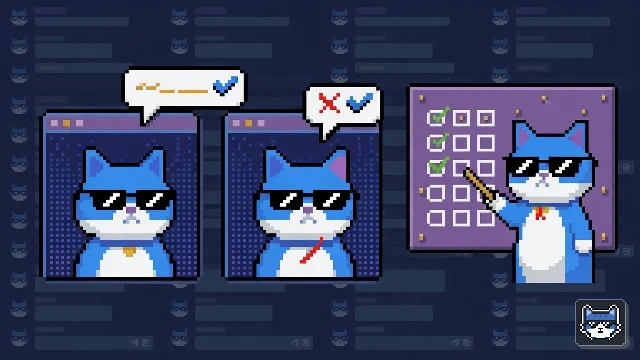
Treat identity like access control. Publish one canonical list of official usernames and update it when staff changes. Pin a short rule: staff never DM first about wallets, claims, or recovery. Staff never ask for seeds. Support happens in named threads or a documented Mini App door you control, not random DMs.
Lock down display privileges where you can. Restrict who can post links. Slow mode during launches. Require verified hold or member gates if your community already runs them. When a clone appears, do not argue in public essay form. Ban, delete, post one calm screenshot of the real handle, move on. Noise is oxygen for the next fake.
Train mods the same script. One voice. One checklist. No freestyle heroics at 3 a.m. If a report comes in, verify against the canonical list before anyone replies with fix this links.
Log incidents. Date, fake handle, what they asked for, how far they got. Patterns show you whether the leak is SEO spam, a compromised influencer, or an insider process gap.
Member Habits That Keep You Solvent
Hover and compare usernames every time, especially when the message flatters or scares you. Real staff survive a two-minute delay. Fakes need your pulse up.
Never continue money or wallet talk in cold DMs. If something is legitimate, it can wait for the public process your group already documented. If there is no documented process, that is your cue to stay quiet until a reply adds value, not until a stranger invents one.
Keep recovery offline. Hardware, paper, paper again. Group chat is never a trade command and never a recovery desk.
If you already engaged a fake, stop. Do not send more proof. Warn admins with evidence, rotate what you can, and assume screenshots of your chat may be reused on the next target.
How Process Beats Hero Mods
Rooms love a hero mod who catches every scam by instinct. Instinct does not scale. Process does. A useful member culture means the bot and the humans share the same boring rules: review before voice, no admin takeover theater, no signal feed cosplay, no last-call contracts as community sport.
Telegram impersonation thrives where onboarding is vibes-only. Replace vibes with a short onboarding note, a pinned identity card, and a default of public verification. Your goal is not zero scammers forever. Your goal is a room where scammers are expensive and members are slow in the right places.
Mini App surfaces, when you use them, should be doors you name and own, not mystery links dropped by a clone. If it is not in the pin and not on the brand site you already trust, it does not get a wallet connect from the chat.
A Simple Response Playbook
When a suspected clone posts:
- Capture username, user id if visible, message text, and time.
- Remove the message and restrict the account per your rules.
- Post one neutral note with the official handles only. No mockery thread that teaches better social engineering.
- Tell members where real support lives. Repeat the no-DM-first rule.
- Check whether the clone is spoofing a real staffer whose account may be at risk. Staff should rotate sessions and review devices if their skin was used well.
When a member got hit:
- Private support path that does not shame them in public.
- Facts first: what was shared, what was signed, what can still be moved.
- No guaranteed recovery stories. No paid recovery shills in the replies. Those are often a second impersonation wave.
Conclusion
Telegram impersonation works because trust is copy-pasteable and urgency is cheap. You counter it with canonical identities, boring pins, slow money habits, and owners who run the system instead of the dopamine. Keep the room trained: compare handles, refuse cold wallet DMs, and treat lookalike support as hostile until the public process says otherwise.
Build culture like you mean it. A useful member, not another spam bot. Stay quiet until a reply adds value. Not financial advice. Trading involves risk of loss. Paper is not live. Group chat is never a trade command.
For more owner hygiene and member-first bot design, start at https://chatito.bot and keep the standards higher than the scammers' costume budget.
Not financial advice. Trading involves risk of loss. Paper is not live. Group chat is never a trade command.
FAQ
- What is telegram impersonation in group chats?
- It is when an attacker copies a trusted person's name, photo, or admin aura to trick members into DMs, fake support, or malicious links. The goal is trust first, funds second.
- How can I tell a real admin from a clone on Telegram?
- Match the exact username against a pinned official list, ignore display names alone, and assume staff never DM first about wallets, seeds, or recovery. When unsure, wait for a public process.
- What should group owners do after a fake support account posts?
- Remove the message, ban or restrict the account, post one calm note with real handles only, and restate that support does not start in cold DMs. Log the incident so patterns are visible.
- Are Premium badges proof that an account is legitimate?
- No. Badges and emoji status are costume. Proof is a canonical username, consistent public process, and refusal to move money talk into unverified private chats.
- What should a member do if they already messaged a telegram impersonation account?
- Stop sending details. Warn admins with screenshots, change what you can on the wallet and session side, and ignore paid recovery accounts that appear in the replies. Those are often a second scam.